
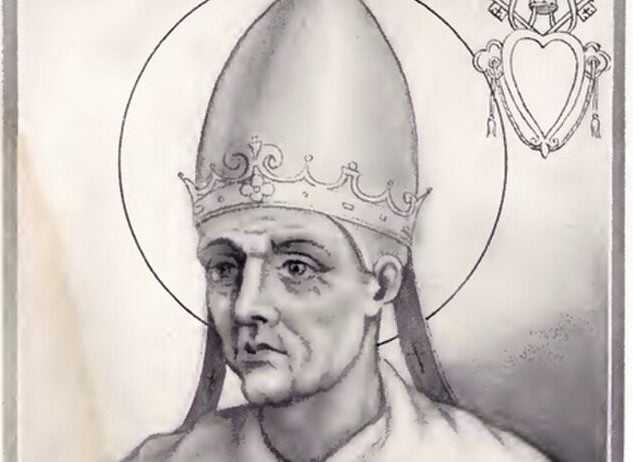
St. Hilary lived in the Roman Empire during the 5th century. He was the Archdeacon of Rome under Pope Leo I and became pope on November 17, 461. At this time, both when he was Archdeacon and later Archbishop of Rome, the Church was facing many heresies. Following in his predecessor’s footsteps, Pope Hilary enforced strict episcopal discipline, obliging bishops to seek permission from the Vatican before electing other bishops to different regions. This helped ground the Church, promote unity, and protect against heretical teachings.
Though commonly known as St. Hilarius, he was not known for his sense of humor; not only did he unify bishops under the Holy See, he also called the emperor to heed his authority. In 467, the emperor issued an edict to tolerate schismatic sects of the faithful. Pope Hilary, understanding the scandal of such an edict, wasted no time in calling the emperor home to Rome. He proceeded to chastise him by the grave of St. Peter until he gave his word there would be no schismatic unions in Rome.
St. Hilary is praised in Liber Pontificalis for the many buildings he erected, which included churches, libraries, and two bath houses. He died on February 28 in 468.
Practical Lessons
- Clarity is Charity: Pope Hilary shows us what a gift clear instruction in the Faith can be. He was truly a rock for the Church to seek refuge on during many tumultuous theological debates.
- There is Value in Order: Pope Hilary knew the true danger that the heresies of his day posed, and rather than risk allowing souls to fall into peril, he exercised his authority justly. He strengthened and unified the Church through his episcopal discipline.
Prayer
St. Hilary, Jesus blessed you with courage to proclaim the truth to all nations. Please ask Him to continue to bless His Church with great leaders like you and protect her from heresy. Amen.
