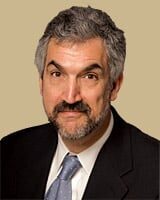
(Daniel Pipes is director of the Middle East Forum and the author of several books, most recently Militant Islam Reaches America. You may visit his website by clicking here and purchase his books by clicking here.)
Questions poured in, asking for more about this culture of corruption.
It begins with none other than the Saudi ambassador to the United States, Prince Bandar bin Sultan, who hinted at the problem as he boasted of his success at cultivating powerful Americans. “If the reputation … builds that the Saudis take care of friends when they leave office, you'd be surprised how much better friends you have who are just coming into office.”
This is precisely what happens. In fact, it's so bad that Mohammed Al-Khilewi, a Saudi diplomat who defected to the United States in 1994, put it this way: “When it comes to the Saudi-American relationship, the White House should be called the 'White Tent.'”
Ex-Washington hands paid off by the Kingdom include such figures as Spiro T. Agnew, Jimmy Carter, Clark Clifford, John B. Connally, and William E. Simon. A Washington Post account lists other former officials, including George H.W. Bush, who have found the Saudi connection “lucrative”; and it quotes a Saudi source saying that the Saudis have contributed to every presidential library in recent decades.
Many ex-U.S. ambassadors to Riyadh have received substantial sums of money since John C. West set the gold standard by funding his personal foundation with a half million dollar donation from a single Saudi prince, plus more from other Saudis, soon after he left the Kingdom in 1981. Hume Horan, himself a former U.S. ambassador to the Kingdom and the great and noble exception to this pattern, explains about his former colleagues:
“There have been some people who really do go on the Saudi payroll, and they work as advisers and consultants. Prince Bandar is very good about massaging and promoting relationships like that. Money works wonders, and if you've got an awful lot of it, and a royal title — well, it's amusing to see how some Americans liquefy in front of a foreign potentate, just because he's called a prince.”
Surveying this problem for National Review, Rod Dreher found the number of ex-ambassadors who push a pro-Saudi line “startling” and concluded that “no other posting pays such rich dividends once one has left it, provided one is willing to become a public and private advocate of Saudi interests.” The Toronto-based National Post looked at five former U.S. ambassadors and concluded “they have carved out a fine living insulting their own countrymen while shilling for one of the most corrupt regimes on Earth.” If you closed your eyes while listening to their apologies, it went on, “you would think the person talking held a Saudi passport.”

The expectation of a payoff even corrupts U.S. government operations in Saudi Arabia. Timothy Hunter, a former U.S. diplomat in Saudi Arabia turned whistleblower, reports that U.S. officials there are “so preoccupied with extraneous duties — entertainment packages for high-level visitors, liquor sales, and handling baggage for VIP visitors,” that they have scant time to devote to the proper concerns of an embassy.
The heart of the problem is an all-too-human one: Americans in official positions of authority bend the rules, break with standard procedures, and alter policies for reasons of personal gain.
The effect of this massive pre-emptive bribing by Saudis is to render the executive branch quite incapable of dealing with the Kingdom of Saudi Arabia in the farsighted and disinterested manner that U.S. national interests require. That leaves Congress with the urgent responsibility to fix things.
It must take steps to ensure that the Saudi revolving-door syndrome described here be made illegal. That means that for ten years or more after having extensive contacts with the Kingdom of Saudi Arabia, an official may not directly or indirectly receive funds from that source.
Only with this sort of change can U.S. citizens regain confidence in their officials dealing with one of the world's more important states.