I. Opening: A Personal Shock
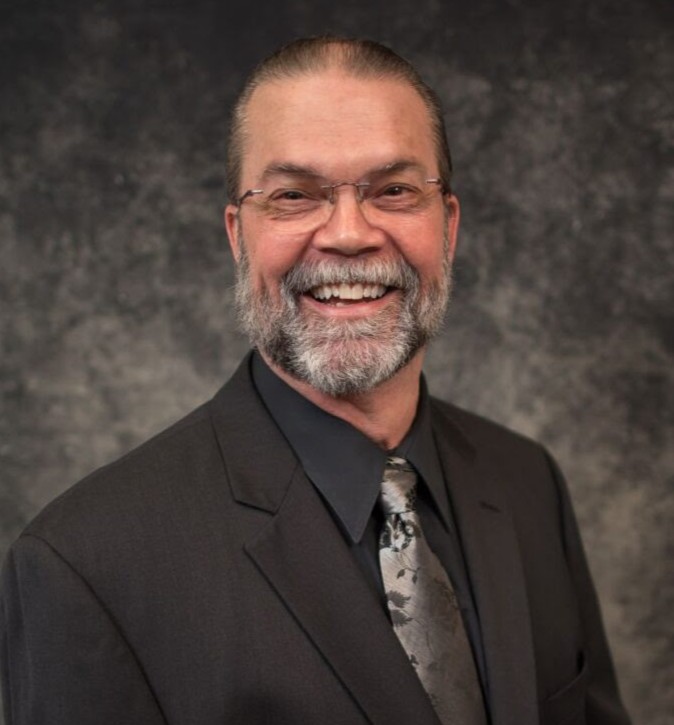
I have practiced psychotherapy for more than three decades, treating individuals, couples, and families across a wide range of presenting problems. In recent years I have semi‑retired from clinical practice and now teach in a graduate counseling program—work I deeply enjoy, especially helping students prepare to serve those who suffer.
Over time, I discovered something that genuinely shocked me: I am one of only two Catholic therapists in one of the largest dioceses in the United States.
The more I reflected on this, the more urgent the issue became. This is not merely surprising—it is pastorally dangerous.
Most people who reach out for therapy are already in a vulnerable state. They are experiencing shame, confusion, fear, or emotional pain. And yet, very few understand the differences between:
- counselor
- social worker
- marriage and family therapist
- psychologist
- psychiatrist
To use a simple analogy: you would not expect your primary care physician to perform open‑heart surgery. Yet many Catholics assume that “a therapist is a therapist,” unaware that each profession has a different scope of practice, training, worldview, and approach to the human person.
And worldview matters—especially when the soul is wounded.
What the Church needs, especially in my diocese, is a mental‑health framework that aligns with Catholic anthropology—the Church’s understanding of the human person, the soul, and the path to God.
II. The Problem: A Lack of Catholic Anthropology
As a convert to Catholicism, I spent decades in Protestant environments. I respect our Protestant brothers and sisters deeply. But becoming a catechist opened my eyes to the profound differences between Protestant and Catholic anthropology.
Protestantism is shaped by sola scriptura—Scripture alone. Catholicism is shaped by Sacred Scripture, Sacred Tradition, and the Magisterium.
Together these form the Deposit of Faith, the Church’s coherent vision of the human person:
- the dignity of the human soul
- the meaning of suffering
- the role of grace
- the reality of spiritual warfare
- the sacramental worldview
- the communion of saints
- the moral law
- the path to theosis—union with God
Most secular therapists do not share this worldview. Many Protestant therapists do not understand it. New Age therapists often contradict it.
For example:
Protestant therapists may be:
- suspicious of Catholicism
- shaped by anti‑sacramental assumptions
- unaware of Catholic moral theology
New Age therapists may:
- deny objective truth
- promote spiritual experimentation
- blur boundaries between psychology and occult practices
None of this is malicious. But it is misaligned with Catholic truth.
And the result can be devastating: A vulnerable Catholic may be unintentionally guided away from the Church.
III. The Hidden Danger: Counsel That Undermines Faith
Let me speak plainly.
Modern secular psychology increasingly incorporates Eastern mysticism. Terms like “mindfulness,” “authentic self,” and “follow your joy” are now standard. While mindfulness has empirical benefits for anxiety and trauma, it can also open the imagination—the nous—to spiritual influences that Catholics must discern carefully.
Common therapeutic messages include:
- “Let go of your guilt; it’s unhealthy.”
- “Follow your heart, even if it means leaving the Church.”
- “Your marriage is making you unhappy; maybe it’s time to part amicably.”
- “The Sacrament of Reconciliation is outdated and controlling.”
- “Your Catholic upbringing is the source of your trauma.”
I have personally heard therapists describe Confession as “manipulative” or “draconian.” For a Catholic, this is not merely incorrect—it is spiritually dangerous.
Again, I do not believe these therapists act with malice. Their worldview simply does not align with the Church’s.
But when a therapist encourages a Catholic to abandon Confession, ignore moral teaching, or leave the Church, the damage to the soul can be profound.
IV. The Priest’s Dilemma: Fear After the Scandals
For years I have had the privilege of treating Catholic priests and religious. Many have shared their fear of performing certain pastoral duties. The scandals of the early 2000s—horrific sins committed by a small number of clergy—inflicted deep wounds on the Church.
Today many priests are terrified of even the appearance of impropriety.
This means they often avoid:
- private meetings
- deep emotional conversations
- extended spiritual direction
- close physical proximity
The consequences are serious:
- parishioners cannot receive the depth of pastoral care they need
- priests cannot accompany people through psychological suffering
- spiritual direction becomes shallow or rushed
- Catholics turn to secular therapists for help
This creates a double burden:
- Priests may hesitate to offer the deep pastoral care they are called to give.
- Parishioners may lack the spiritual guidance necessary for growth and healing.
A Catholic therapist cannot replace a priest—but he can help fill the gap.
V. The Solution: A Catholic Model of Psychotherapy
We need a model of psychotherapy that:
- honors the sovereignty of God
- respects the authority of the Church
- integrates Catholic anthropology
- understands spiritual warfare
- collaborates with local priests
- supports sacramental life
- upholds Catholic moral teaching
- recognizes the unity of body, soul, and spirit
- avoids New Age distortions
- avoids Protestant reductionism
- avoids secular moral relativism
Over the past several years I have studied both Thomistic psychology and the anthropology of the Desert Fathers. St. Thomas Aquinas’ model of the intellect—especially the practice of cultivating the virtue opposite the vice—resonates deeply with clients.
But Evagrius Ponticus, the “Ascetical Psychologist,” offers a precision that modern psychology desperately needs. His articulation of logismoi—intrusive thoughts—and their origins (from God, the self, or demons) provides a map of the interior battle that aligns perfectly with Catholic teaching.
This battle is not the sensationalized exorcism content popular online. It is the daily battle for the soul.
My vision is a Catholic psychotherapy model rooted in:
- St. Thomas
- St. Polycarp
- St. Irenaeus
- St. Cassian
- Evagrius Ponticus
- St. Nikodemus
- The Desert Fathers
These saints mapped the interior life with astonishing clarity. Their insights align seamlessly with the Deposit of Faith.
Until such a model is fully developed, I offer practical guidance for Catholics seeking therapy.
VI. What Catholics Need to Know Before Seeking Therapy
1. Choose based on your symptoms
For anxiety, grief, depression, anger, addiction—most master’s‑level therapists can help. But read their advertisements carefully. If they openly reject Catholic teaching, avoid them.
2. “Christian therapist” does not mean “Catholic therapist”
Many Christian therapists hold beliefs that differ significantly from Catholic doctrine.
3. Ask for a brief phone consultation
A 10‑minute conversation can reveal:
- their worldview
- their approach
- their comfort with Catholic teaching
- their understanding of moral theology
Ask directly: “How do you treat anxiety?” “How do you view the role of faith in therapy?”
4. Avoid activist therapists
If a therapist openly promotes beliefs contrary to the Church, do not seek treatment from them.
5. Consider collaboration between therapist and priest
In my years working in multidisciplinary settings, I saw the benefit of collaboration between:
- medical doctors
- psychiatrists
- psychologists
- therapists
Imagine the benefit of collaboration between a Catholic therapist and a trusted priest. This could provide an optimal environment for healing—both psychological and spiritual.
VII. Closing: A Call to Action
The Church, priests, families, and dioceses need a coherent Catholic anthropology. We need a model of psychotherapy that integrates:
- psychology
- Catholic tradition
- patristic anthropology
- spiritual direction
- clinical practice
Catholics deserve therapy that honors their faith, protects their souls, and leads them toward Christ.
Photo by Vitaly Gariev on Unsplash