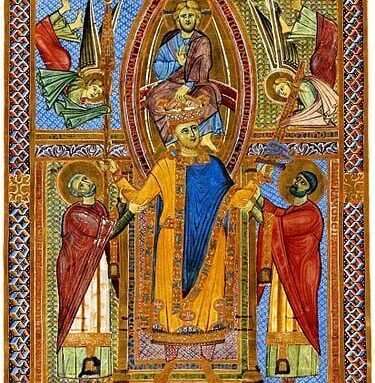
St. Henry II, Holy Roman Emperor, was born in 973 in Bavaria. Raised in a devout Catholic family, he was educated by St. Wolfgang of Regensburg, who helped form his deep faith and love for the Church. After succeeding his father as Duke of Bavaria, Henry was eventually crowned Holy Roman Emperor in 1014. Despite his political responsibilities, he ruled with humility and sought to strengthen the Church throughout his empire. He worked closely with reform-minded bishops, founded monasteries, and used his authority to protect and promote the faith. Henry and his wife, St. Cunegunda, lived a holy marriage marked by chastity and charity, devoting their lives to prayer and service. He died in 1024 and was canonized in 1146, remembered as a just ruler who placed Christ at the center of his reign.
Practical Lessons
- Put Faith First: Henry allowed his faith to guide his decisions as emperor. In our daily lives, we can make prayer and fidelity to God the foundation of our choices, whether small or large.
- Use Authority for Good: Henry’s power was directed toward strengthening the Church and protecting the vulnerable. We, too, can use whatever influence we have—at work, in the family, or in the community—for justice, service, and encouragement.
- Sanctify Marriage and Work: Together with St. Cunegunda, Henry lived a marriage of holiness and service. Their example reminds us to view both our family life and professional responsibilities as paths to sanctity.
Prayer
St. Henry, faithful emperor and servant of Christ, intercede for us that we may lead with humility, place our faith above all worldly concerns, and sanctify our daily duties. Pray that we may use our gifts to strengthen the Church, care for the poor, and grow in holiness. Amen.
Quote
“Christ is the beginning and end of all government.” — St. Henry II
Other Saints We Remember Today
St. Mildred (700), Abbess
Image from Wikimedia Commons