
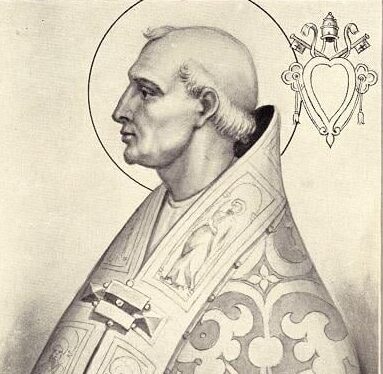
St. Leo the Great was born in the late 4th century and became pope in 440 during a time of great turmoil in the Church and the Roman Empire. Known for his wisdom, courage, and clarity of teaching, Leo worked tirelessly to defend the true faith. He confronted heresies that threatened the unity of the Church, most notably affirming the two natures of Christ—both fully God and fully man—at the Council of Chalcedon. His preaching and letters helped shape Catholic doctrine for centuries to come. Beyond his theological contributions, Leo also displayed remarkable bravery, famously meeting Attila the Hun and persuading him to turn back from invading Rome. He died in 461 and was declared a Doctor of the Church, remembered for his pastoral care, strong leadership, and eloquence in defending the truth.
Practical Lessons
- Stand Firm in Truth: Leo defended the core teaching about Christ’s divinity and humanity even when it was contested. In our daily lives, we can stand firm in our values and beliefs, especially when the culture around us promotes confusion or compromise.
- Lead with Courage: Leo met Attila the Hun face-to-face, risking his own safety for the sake of his people. Today, this challenges us to step up with courage when our families, communities, or faith are in need of protection or advocacy.
- Use Words to Build Up: Leo’s sermons and writings strengthened the Church and brought clarity to the faithful. In our own lives, we can use our words—whether in conversations, emails, or social media—to bring truth, encouragement, and peace rather than division or negativity.
Prayer
St. Leo the Great, faithful pope and Doctor of the Church, intercede for us that we may remain steadfast in truth, courageous in trials, and wise in guiding others toward Christ. Pray that our words and actions may always reflect the love and clarity of the Gospel. Amen.
Quote
“Christian, remember your dignity.” — St. Leo the Great
Other Saints We Remember Today
St. Andrew Avellino (1608), Priest
Saints Tryphon and Respicius (3rd Century), and Saint Nympha, Virgin (4th Century), Martyrs
Image by Artaud de Montor (1772–1849) via Wikimedia Commons
