
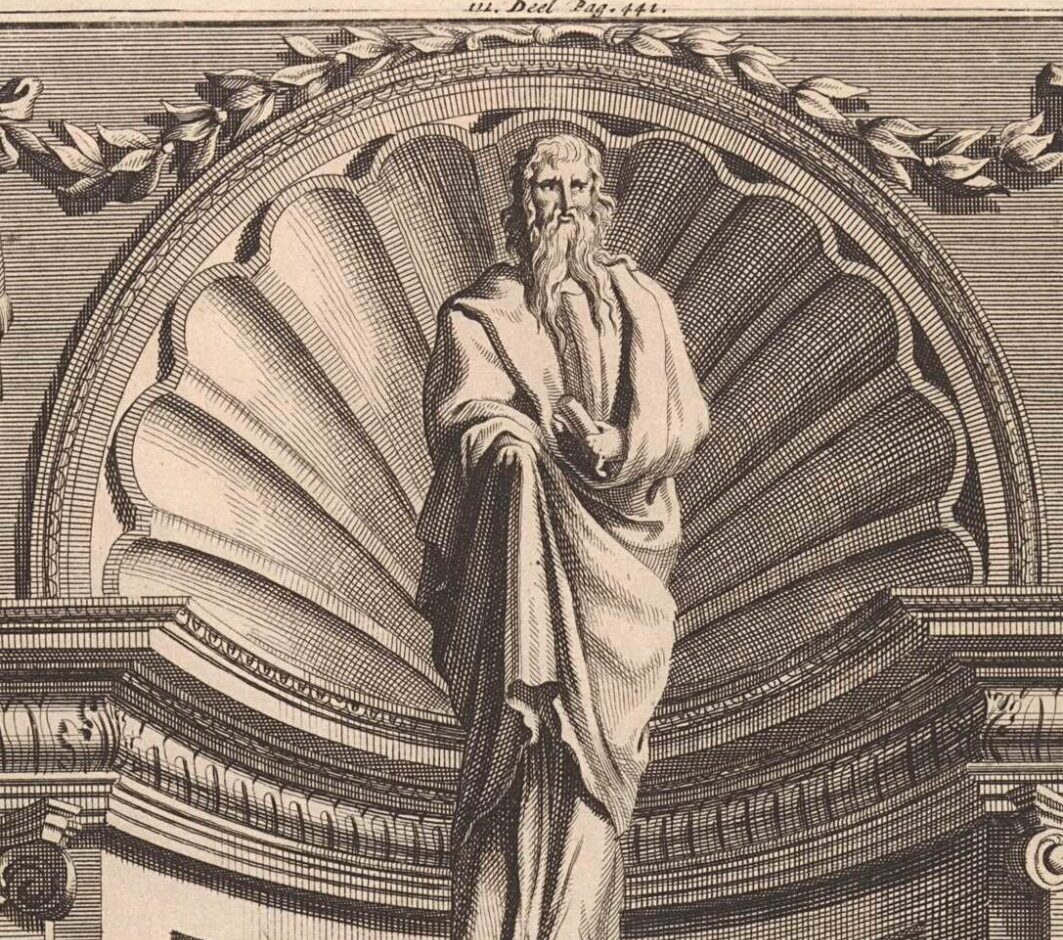
St. Cyril of Jerusalem was born around 313 AD and became bishop of Jerusalem in 350 AD during a time of intense theological debates and political challenges within the Church. A strong defender of orthodox faith, he fought against Arianism, which denied the divinity of Christ, even enduring exile three times for his unwavering commitment to truth.
He is best known for his Catechetical Lectures, a series of teachings that provided clear, practical instruction on the sacraments, the Creed, and Christian living. Cyril’s dedication to educating new believers helped shape the way the Church prepares converts for baptism. He was declared a Doctor of the Church for his profound contributions to Catholic teaching. St. Cyril of Jerusalem died around 386 AD, leaving a lasting legacy of faith formation and catechesis.
Practical Lessons
- Learn the Foundations of Your Faith: Cyril knew that understanding the faith is essential for living it. Today, this means reading the Catechism, attending parish Bible studies, or listening to Catholic podcasts to deepen your knowledge of Church teachings.
- Stand Firm in Truth, Even When It’s Difficult: Cyril was exiled multiple times for defending Christ’s divinity. In everyday life, this means speaking the truth with kindness in conversations, standing up for your beliefs at work or school, and not compromising your values under pressure.
- Pass on the Faith to Others: Cyril taught new believers through his catechesis. Whether you are a parent teaching your children, a sponsor for a catechumen, or simply sharing your faith with a friend, commit to helping others grow closer to Christ.
Prayer
St. Cyril of Jerusalem, faithful teacher and defender of the truth, pray for us. Help us to seek a deeper understanding of our faith and the courage to proclaim it in our daily lives. May we follow your example in teaching and inspiring others to love Christ and His Church. Strengthen us in our witness so that we may always stand firm in the truth. Amen.
Quote
“Let your faith be firm and unwavering, as a tree deeply rooted.”—St. Cyril of Jerusalem
Image from Wikimedia Commons
